Canberra urges Australians worldwide to brace for Middle-East travel turmoil
Switzerland and EU sign landmark “Bilaterals III” accords, streamlining free-movement and cross-border business
Prague Airport Scraps 32 Middle-East Flights as Czech Government Activates Crisis Cell
Latest News
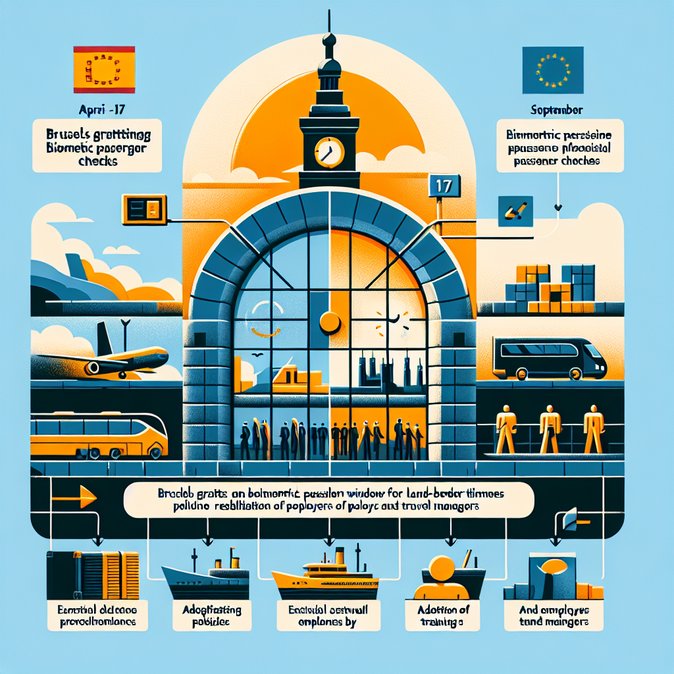
EES rollout for Spanish airports postponed until September, easing summer-peak pressure
Brussels has granted Spain a five-month ‘flexibility window’ that shifts full biometric passenger checks under the Schengen Entry/Exit System from April to September 2026. The move averts predicted summer bottlenecks at major hubs but keeps land-border timelines unchanged, giving employers and travel managers breathing room to adapt policies and training.

Poland sets up crisis helpline but rules out evacuation flights from Middle East
Warsaw has declined to send military aircraft to rescue Poles caught in the Middle East conflict, instead unveiling a dedicated crisis hotline and urging travellers to register online. The move places the onus on commercial airlines and employers to arrange returns once airspace restrictions ease, highlighting new duty-of-care risks for companies with staff in the region.

Gordie Howe International Bridge Becomes Class A U.S. Port of Entry, Effective 2 March 2026
CBP finalized a rule making the Gordie Howe International Bridge a Class A port of entry as of 2 March 2026. The move clears the way for full immigration and customs processing at the Detroit-Windsor span, promising shorter wait times and expanded Trusted Traveler capacity. Businesses should prepare for easier cross-border assignments and freight routing once the bridge opens later this year.

UK cuts refugee leave to 30 months under new ‘core protection’ model
Refugees recognised from 2 March 2026 will receive only 30 months’ leave, renewable on review, replacing the previous five-year grant that led to settlement. The change aims to deter irregular migration and push skilled refugees into work- and study-visa routes, but it increases uncertainty for employers, universities and local authorities supporting integration.

IRCC kicks off Fraud Prevention Month with nationwide appeal to “Spot, Stop, Report” immigration scams
IRCC opened Fraud Prevention Month with a March 2 statement warning of increasingly sophisticated immigration scams, citing 95,000 fraud investigations and new fines of up to $1.5 million for dishonest representatives. The campaign urges applicants and employers to verify information on Canada.ca and will be amplified globally ahead of the 2026 FIFA World Cup. Businesses should review compliance processes to avoid liability.

Middle East war leaves 30,000 German holiday-makers stranded worldwide
The sudden closure of Middle-East airspace has stranded around 30,000 German tourists and business travellers. Berlin has activated its crisis mechanisms, while airlines and employers face spiralling relocation and re-routing costs. The incident underlines the need for robust travel-risk policies and up-to-date employee tracking systems.

Brazil Waives Short-Stay Visas for Citizens of Eight New Countries
Effective 2 March 2026, Brazil scrapped short-stay visa requirements for citizens of eight additional countries, including China, France and Ireland, allowing 30-day visa-free visits renewable up to 90 days annually. The waiver supports Brazil’s post-pandemic tourism revival and makes last-minute business travel far easier for executives from the newly-exempt markets. Mobility teams must update compliance rules but should still brief travellers on proof-of-funds and onward-ticket checks.

China Extends 30-Day Visa-Free Entry For EU, UK & Canada Nationals Until Year-End 2026
Beijing has prolonged its 30-day visa-free entry programme for citizens of the EU, UK and Canada until 31 December 2026. The move eliminates consular fees and paperwork for short business and leisure trips, supporting the revival of Sino-European trade missions and tourism. Companies should note the hard 30-day cap and continue to register travellers with local police on arrival.

U.S. Orders Departure of Non-Emergency Staff From Iraq; Travel Advisory Remains Level 4
On 2 March 2026 the State Department ordered non-essential U.S. personnel to depart Iraq, maintaining its Level 4 “Do Not Travel” advisory. Visa services are halted and corporate duty-of-care obligations escalate, forcing companies to reconsider assignments, evacuation logistics, and insurance exposure.

Lufthansa Group halts passenger and cargo flights to eight Middle-East cities and reroutes via Turkey and Egypt
On 2 March Lufthansa Group grounded services to eight Middle-East gateways and embargoed cargo as the regional conflict deepened. The move disrupts German passenger itineraries and supply chains, triggers war-risk surcharges for exporters and highlights the importance of contingency clauses in corporate travel contracts.
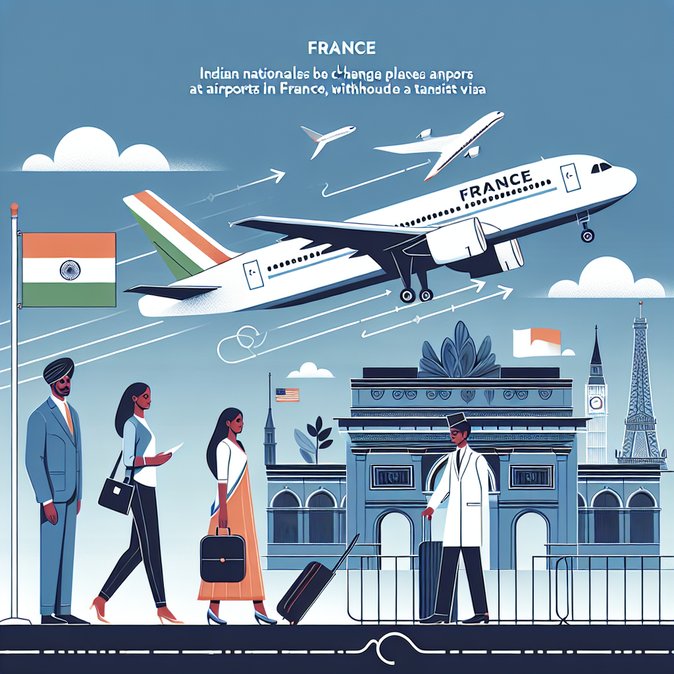
France Plans Visa-Free Airport Transit Pilot for Indian Nationals
Sherpa°’s March update reveals that France will run a pilot allowing Indian nationals to change planes at CDG and LYS without an Airport Transit Visa. The six-month test, due to launch this summer, aims to win back connecting traffic from rival hubs and speed corporate itineraries. If successful, the model could feed into the EU’s broader visa-code overhaul, underlining France’s push for smarter, risk-based border controls.
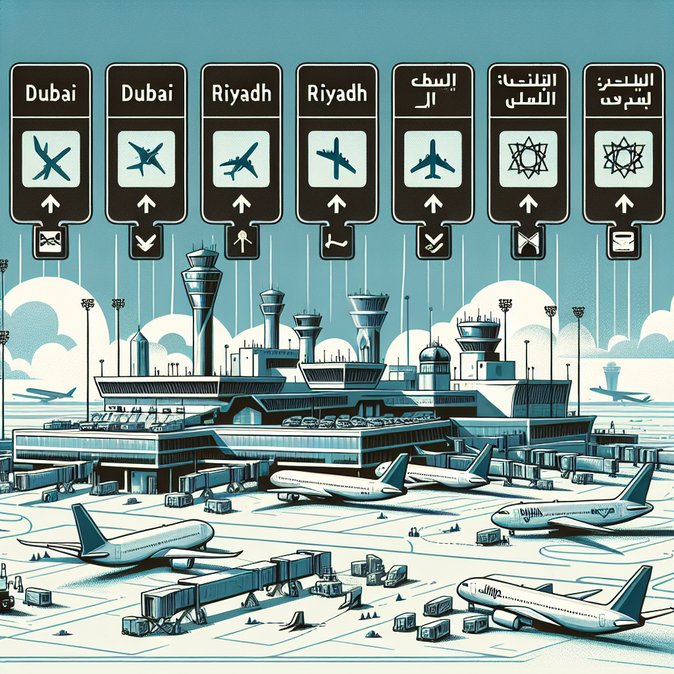
LOT Polish Airlines suspends Dubai, Riyadh and Tel Aviv services amid regional air-space closures
LOT cancelled all flights to Dubai, Riyadh and Tel Aviv with immediate effect, citing safety directives after Iran-related airspace closures. The suspension disrupts key business corridors for Polish companies and is likely to raise travel costs and journey times, forcing mobility managers to find alternative routings and review insurance cover.

Graduate-visa sticker shock: Australia doubles Subclass 485 application fee overnight
Home Affairs has doubled the Subclass 485 Temporary Graduate visa fee, raising the main-applicant charge to AU$4,600 from 1 March 2026. The overnight change hits recent international graduates and the employers who depend on them, although lower rates apply to designated Pacific Island passport-holders.
Austrian Airlines suspends Tel Aviv, Amman and Erbil flights as Iran conflict spreads
Austrian Airlines has halted flights to Tel Aviv, Amman and Erbil and prolonged the Tehran suspension as the Iran–Israel conflict escalates. Airspace over seven Middle-East states is being avoided and Dubai flights are paused until 4 March. Companies will face longer itineraries, higher costs and tighter approval protocols for trips into the region.

Middle East conflict forces wave of flight cancellations at Brussels Airport
Around ten flights between Brussels Airport and the Gulf and Israel were cancelled on 2 March as UAE, Qatari and Israeli airspace closures took effect after a US-Israeli strike on Iran. Brussels Airlines, Emirates, Etihad and Qatar Airways have halted services, stranding travellers and forcing rerouting of cargo. Belgian consular lines are fielding calls from more than 5,000 nationals in the region, and corporates are activating contingency plans. EU261 reimbursement rights are limited because the disruption is security-related.
Paphos Airport Evacuated After Suspicious Drone; Operations Resume Hours Later
A suspected drone incursion forced the full evacuation of Paphos Airport on 2 March, halting flights for several hours before authorities declared the site safe. The disruption snarled passenger and cargo operations and highlights the vulnerability of Cyprus’ tourism-heavy aviation sector to regional security shocks.

Spain places Melilla on 'maximum alert' after new migrant landings on the Chafarinas islets
Spain’s immigration services declared a ‘maximum alert’ on 2 March after several boats of irregular migrants reached the fortified Chafarinas islets near Melilla. The episode highlights evolving smuggling tactics and will tighten security checks on ferry, freight and business travel in the enclave. Companies operating in Melilla are advised to expect delays and share passenger data in advance.